


On a Thursday night in Chandler, Arizona, people packed the city council chambers.
It was Dec. 11, 2025.
The agenda looked routine. But the crowd did not.
Neighbors stood shoulder to shoulder, waiting for one vote. The city was deciding whether to approve an approximately 400,000-square-foot AI data center campus.
After hours of public comment, the council voted 7-0 to say no.
Outside that room, you could already hear why the vote mattered. Residents near existing data centers in the area had described the sound as a low hum that never stops, like a highway that never turns off.
Chandler is not alone. Across the country, people are showing up to meetings like this one. They are not protesting a company logo or a line of code. They are protesting a building.
The data center is the physical thing they can see and touch. It is something they can fight.And the fight is pulling together people from every side of the political aisle.
It is forcing a question that goes beyond any one building or any one neighborhood: who controls the future, who should benefit from it, and at what cost?
The protest you can touch
In the early 2010s, people in San Francisco protested Google’s private shuttle buses. The buses were not the real problem. They were a stand-in for something bigger: the tech industry reshaping a city without asking permission. You could not slow down the tech boom, but you could stand in front of a bus.
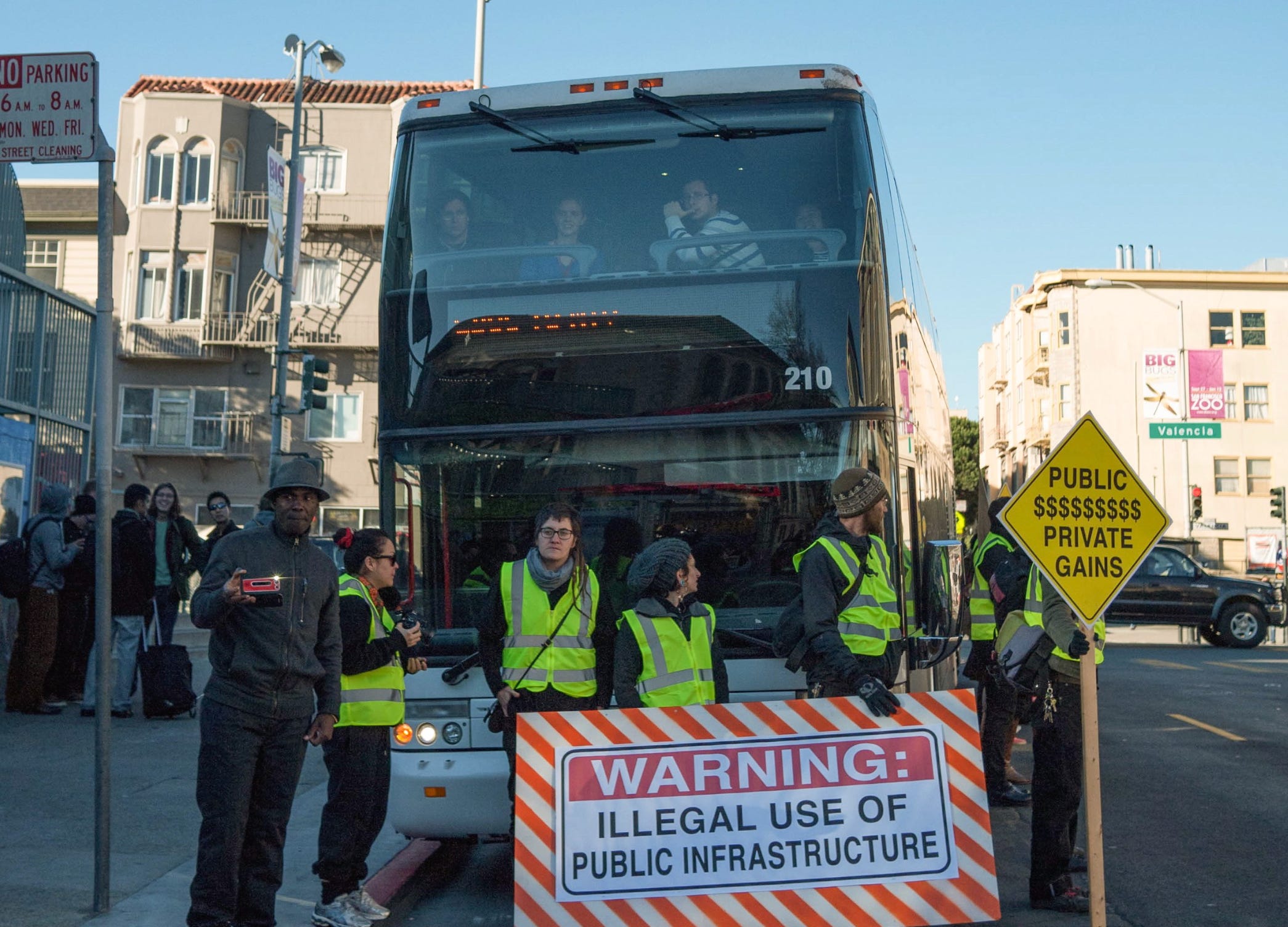
That feeling has come back, and this time the target is concrete.
Data centers have become the new symbol of tech power. They are enormous, loud, and resource-hungry. Unlike an app or an algorithm, it is something you can potentially see from your backyard.
In Georgia’s Monroe County, residents showed up in red shirts, nearly 900 of them, and convinced county commissioners to unanimously reject a data center proposal.
But Google had already found another path.
The county had quietly rezoned a different parcel on a nearby road months earlier, and Google bought it for $42 million.
The residents won on one site. The data center showed up on another.
That is why the Chandler vote felt different.
Not just a symbol. A stop sign. Local power, actually used.
Strange allies
Senator Bernie Sanders, a democratic socialist and two-time presidential candidate, has called for a national pause on data center construction. Senator Josh Hawley, a Republican, wants stricter AI rules. Florida Governor Ron DeSantis has warned against giving Big Tech what it wants. “There are some people that say, you know, the right policy is to just give Big Tech whatever they want, subsidize it and all this stuff, and somehow that’s going to lead us to some happy place. I reject that,” he said last month.
The pressure is coming from everywhere. A Wisconsin mayor is facing a recall after approving a data center. A developer withdrew a project in Matthews, North Carolina after heavy pushback. Tucson’s City Council unanimously stopped talks on a major data center plan.
There are some people that say, you know, the right policy is to just give Big Tech whatever they want, subsidize it and all this stuff, and somehow that’s going to lead us to some happy place. I reject that - Ron DeSantis
When people on opposite ends of the political spectrum start pushing in the same direction, something deeper is moving. This is not just online anger or a policy debate. These are people standing up at their local government meetings, asking why their communities are absorbing the costs of someone else’s growth.
What it costs
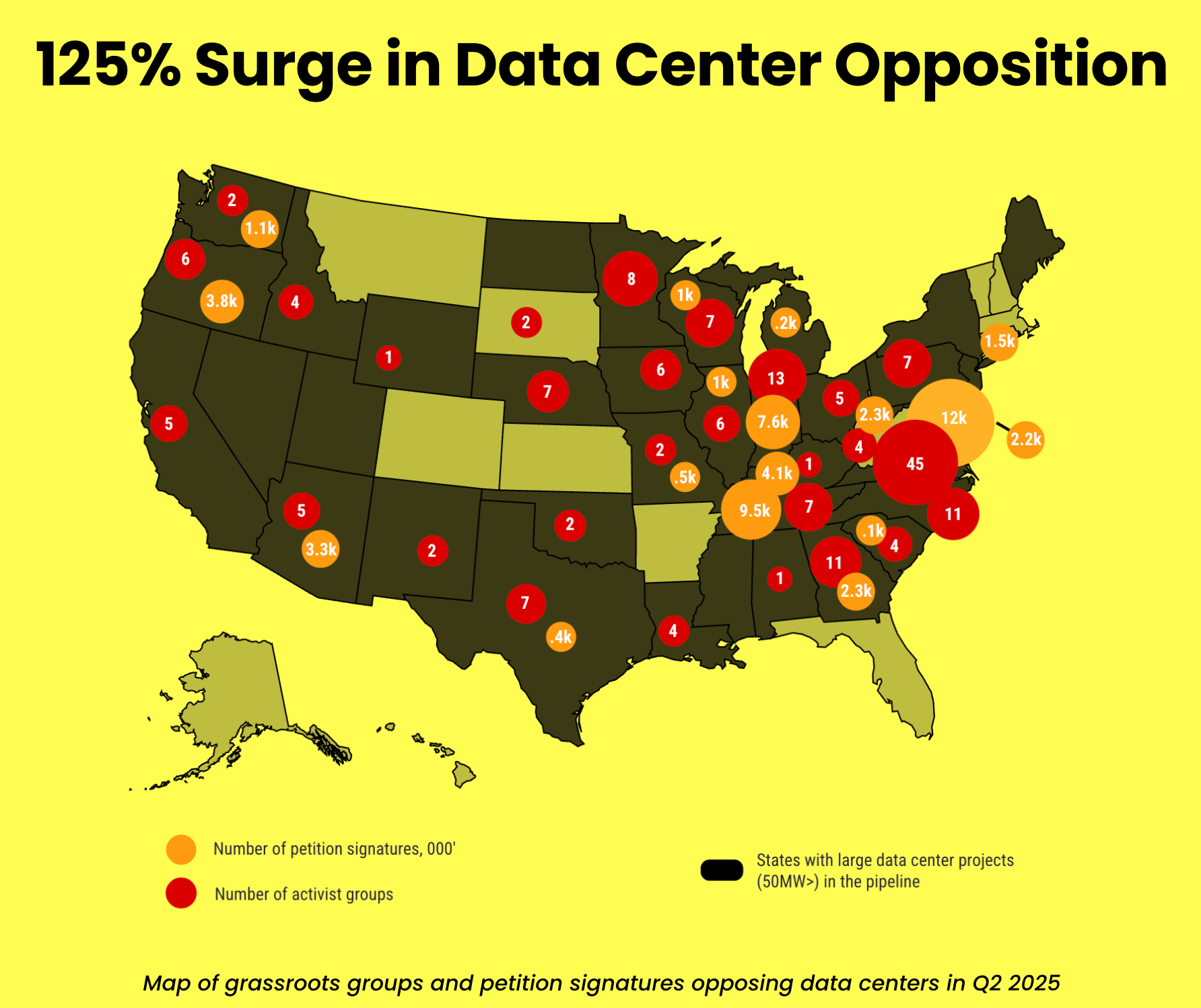
Data Center Watch says that in the first half of 2025 alone, about $98 billion in data center projects were blocked or delayed. Community pushback is not the only reason projects stall. Permitting, financing, and grid limits play a role too. But the resistance has become a real factor.
To understand why, look at Virginia
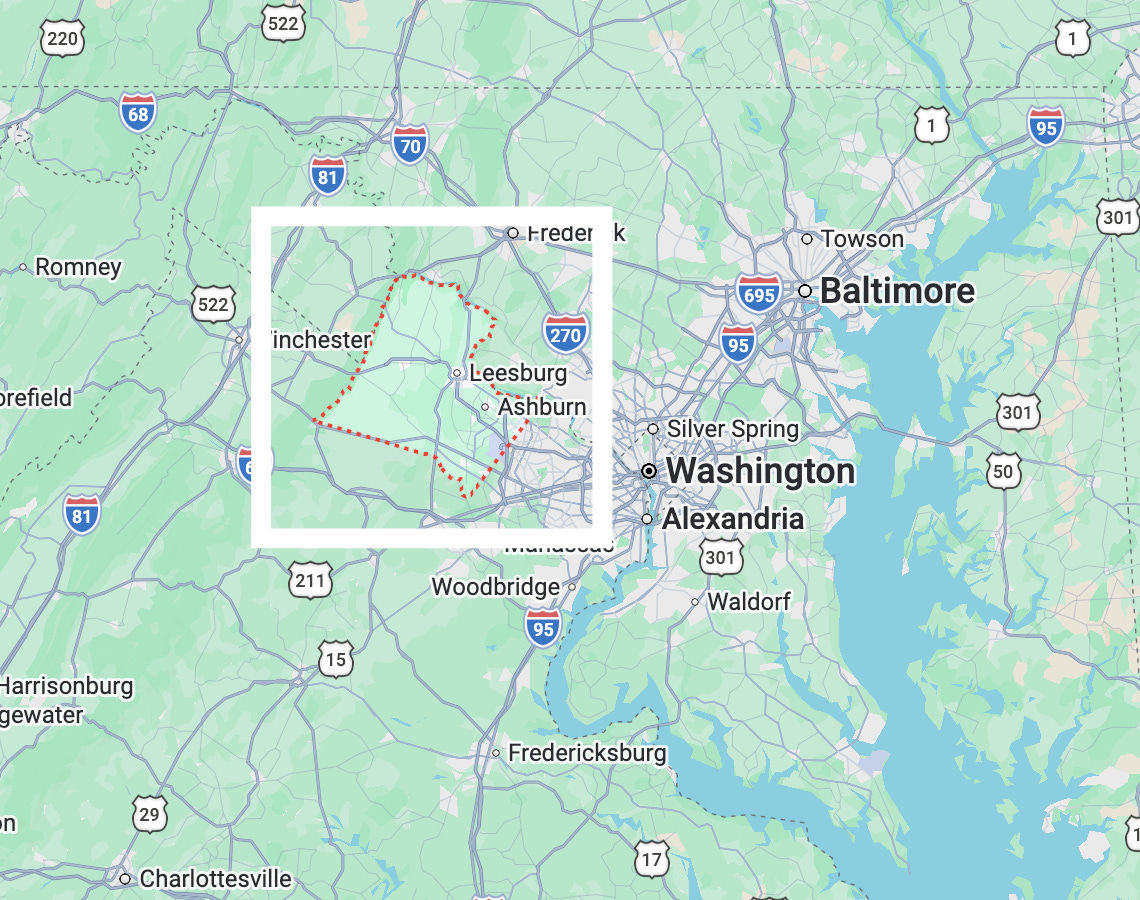
.Northern Virginia, centered around Loudoun County, handles roughly 70% of the world’s internet traffic. It became the data center capital of the country because of early fiber infrastructure and the launch of AWS’s US-East-1 region, the default cloud region for most of the internet. That history means Virginia’s residents have lived with data centers longer and felt the strain more than almost anyone.
A Virginia state report estimates that typical power customers could see their bills rise $14 to $37 per month by 2040 as data center demand drives grid expansion. For a family on a tight budget, $37 a month is groceries.
Then there is water. These facilities run hot. Cooling them takes a lot of water. In places already worried about drought, that is not an abstract problem.
Then there are jobs. The construction work is real. The long-term jobs are not. Once the servers are running, the workforce shrinks to a skeleton crew.
Most importantly, there is the noise.
In Chandler, a resident named Cheryl Jannuzzi told a local news station she had not slept a full night in over two years. “I need to run a TV or music inside my home to drown out the noise,” she said. “I cannot enjoy my backyard in peace.” Another neighbor, Bob Diepenbrock, described the sound as “a blender on steroids, but at a distance.” The hum comes through the walls. It does not stop at night.
“I need to run a TV or music inside my home to drown out the noise…I cannot enjoy my backyard in peace.” - Chandler, AZ resident on data center noise
The subsidy problem
Virginia alone has provided about $928 million in tax exemptions for data center equipment in a single year. Nearly a billion dollars in breaks for an industry already flush with cash.
Arizona’s governor, Katie Hobbs, has moved to end data center tax incentives. Her argument is simple: the state is already a top market for data centers. It should not have to pay extra to get them.
This is the heart of the backlash. People see higher bills and new strain on the grid. Then they see tax breaks for the companies building the load. The math does not add up for the people paying the bill.
Why the demand is so intense
Now zoom out. Why are all these buildings needed in the first place?
Because AI eats compute. And compute eats power.
Google says it needs to double AI serving capacity every six months. OpenAI’s Stargate plan calls for $500 billion in U.S. AI infrastructure over the next four years. These companies are trying to build the next layer of the economy, and they are building fast.
The U.S. grid was not designed for clusters of facilities that behave like small cities. Energy Secretary Chris Wright has said data center developers should be ready to bring their own power generation. That is the Energy Secretary telling some of the richest companies in history that the country’s power grid cannot support what they are trying to build.
There is another layer that rarely shows up in local fights: debt.
Big Tech has leaned heavily on borrowed money for AI infrastructure. Alphabet, Meta, Oracle, and Amazon have all issued large bond deals tied to data center spending.
If projects stall, the debt remains. The money still needs to be paid back. That creates tension between local democracy and financial commitments already locked in.
The arrogance problem
For years, Big Tech has operated like sports teams negotiating stadium deals: offer tax breaks, promise jobs, and expect communities to fall in line.
With sports teams, at least fans can rally around a home team.
With data centers, there is no team to root for. Just a windowless building and a hum.
What the backlash reveals is how long that assumption went unchallenged. These companies need to keep building. Their revenue projections, their stock prices, their entire AI strategy depends on more compute, more power, more land. They are spinning plates. And the plates are getting heavier.
But communities are no longer willing to absorb the costs quietly. The old playbook of tax incentives and vague job promises has stopped working. Even when a data center gets built, the local benefit is thin. The construction crews leave. The permanent staff is small. The power bills go up anyway. And the company that got the tax break is posting record quarterly earnings.
Why the Chandler scene matters
That brings us back to the room in Chandler.
Those residents were not just saying no to a building. They were saying no to the assumption that progress must come fast, that cost does not matter, and that local voices should step aside because the future is inevitable.
They were saying yes to the idea that there is still a way to push back.
A local government body, using its vote.
So who benefits from AI infrastructure?
Not the host communities.
The long-term jobs are thin, utility costs continue to climb, and the noise never stops.
If the US would put a halt on new data center construction, that creates a different problem.
Big tech’s growth models depend on infrastructure they cannot build fast enough, and they have already taken on the debt to build it. Wall Street expects the capacity to arrive. If it does not, Big tech likely suffers severe consequences.
This is shaping up to be one of the defining political fights of the next few years.
In 2025, Zohran Mamdani won the New York City mayoral race on a platform built almost entirely around affordability. The message resonated because people feel squeezed.
Data centers touch the same nerve.
Higher power bills, strained water supplies, and tax breaks for trillion-dollar companies do not poll well in any district.
As midterm season approaches, expect this to get louder.
It will be hard for any politician to stand in front of a town hall and explain why a tech company deserves a tax break while residents watch their utility bills climb. The backlash is not a fringe movement. When Bernie Sanders and Ron DeSantis are pushing in the same direction, something fundamental has shifted.
The question now is whether communities can force better terms, or whether the buildout pushes forward anyway on the terms Big Tech has always preferred. The answer will say a lot about who this economy is actually for.
Either way, the hum will be there.