


A shorter version of this essay is available here:

Part 1 - A History of Modern Thailand
To understand modern Thailand
You have to rewind the clock June 9th 1946
The morning began like most mornings for Thailand’s 20-year-old King Ananda Mahidol (Rama VIII)
He was attended by his page, his brother even stopped by briefly, but by approximately 9:20am the young king was dead from a gunshot wound to the head.
While we may never know who pulled the trigger or why, one thing is known, it allowed his brother Bhumibol Adulyadej to ascend the throne as Rama IX. Over his 70-year reign he would help usher in modern Thailand.
The Foundations of Establishment Power
When King Bhumibol Adulyadej (Rama IX) ascended the throne in 1946, Thailand was still navigating the consequences of the 1932 revolution that had ended absolute monarchy. Over his seventy-year reign, the palace, in alliance with the military and bureaucratic elite, gradually rebuilt the monarchy's central role in Thai life. The king’s prestige was bolstered through thousands of Royal Development Projects, the masterful use of ceremony, and a Cold War-era alignment with the United States that positioned him as a key anti-communist figurehead.
This period of restored royal authority was, however, set against a backdrop of chronic political instability. The nation became characterized by a recurring cycle of military interventions followed by constitutional rewrites; during Rama IX's reign alone, Thailand saw ten successful coups and seventeen different constitutions. Military leaders typically justified these interventions by citing concerns over political corruption and national security. Each new charter, in turn, tended to institutionalize the military’s influence over civilian governance, a dynamic The Economist described as a system designed to "freeze the hands in place," locking in the power of the army and the traditional elite.
This pattern became a defining feature of the era. The 1957 coup, for example, formally enshrined the "triumvirate" of monarchy, Buddhism, and the army as the pillars of Thai society. In moments of acute crisis, such as the violent political clashes of 1973 and 1992, Rama IX intervened to de-escalate the conflicts. These interventions, where the King publicly urged opposing leaders to stand down, were instrumental in ending bloodshed and often led to brief democratic openings.
These episodes reinforced the perception of the monarch as an ultimate arbiter standing above politics. The outcome of this long reign was the firm entrenchment of the monarchy as the apex institution of Thai governance, its status protected by strict lèse-majesté laws. By the time of the King's passing in 2016, this system, described by one analyst as a "triple threat" of monarchy, military, and moneyed elites, had created a landscape of recurring constitutional crises and chronic uncertainty, setting the stage for the populist challenges of the 21st century.
The Populist Wave
Thailand’s established power structure faced its greatest challenge in the 2000s with the emergence of populist politics. Previously Thai politics had been dominated by regional parties that had limited influence outside of their powerbase. In 2001, telecommunications tycoon Thaksin Shinawatra won the prime ministership on a bold platform of rural development, debt relief, and universal healthcare. These policies helped endear Thaksin and his family to millions of poorer Thais, but Thaksin’s brash style and power consolidation alarmed the Bangkok royalist-military old guard.
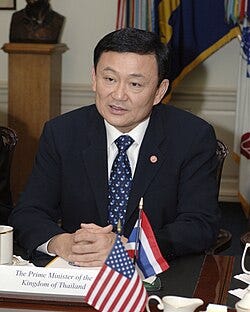
The resulting political polarization between his rural "Red Shirt" supporters and the urban "Yellow Shirt" movement created a pretext for intervention. Citing concerns of corruption and national division, the military ousted Thaksin’s government in a 2006 coup. A decade of turmoil followed, in which pro-Thaksin parties repeatedly won elections only to be persistently undermined by judicial rulings and protests, culminating in a second coup in 2014 that installed General Prayuth Chan-ocha.

This containment of populism did not end the calls for change. A new generation of reform-minded leaders channeled public frustration with military rule into the Future Forward Party. In the 2019 election, the party’s progressive, anti-junta message gained widespread support. However, its calls to curb the military's political and economic influence crossed institutional red lines, and the Constitutional Court soon dissolved the party on charges that many observers viewed as politically motivated. This act fueled greater youth activism, leading to the 2020 student-led protests where, as Reuters reported, demonstrators began "shattering social norms" by openly criticizing the monarchy's political role.
The reformist wave peaked in 2023, when Future Forward’s successor, the Move Forward Party, won the most parliamentary seats on a platform of deep structural reform, including amending the lèse-majesté law. For a moment, it appeared the cycle might be broken. However, the establishment responded with a combination of constitutional and judicial power. The military-appointed Senate blocked Move Forward’s leader from becoming prime minister, and by August 2024, the Constitutional Court ordered the party dissolved entirely.
The outcome demonstrated the enduring influence of Thailand’s traditional power centers: conservative political factions, established economic elites, and the military. The clear message was that any political movement threatening the fundamental pillars of the established order would be systematically neutralized, whether through military, judicial, or constitutional means.
A New Reign and Shifting Dynamics
With the passing of King Bhumibol Adulyadej in 2016, Thailand entered a new era. The accession of his son, King Maha Vajiralongkorn (Rama X), occurred at a time of deep political polarization. Observers noted that the new reign presented a different style of kingship from the 70-year reign of his father, leading to a change in the public's relationship with the institution.
Scholars have pointed to several key institutional shifts that marked the early years of the new reign. The Crown Property Bureau, a vast portfolio of royal assets historically managed with government oversight, was reorganized to be under the King’s direct personal stewardship. Supporters viewed this as prudent asset management, while some critics interpreted it as a move toward a more commercial orientation. The 2017 constitution was also amended at the palace’s request to grant the monarch greater personal discretion, including removing the requirement to appoint a regent when traveling abroad. Furthermore, two elite army units in Bangkok were brought under the King's direct command, and a nationwide royalist volunteer corps was established, signaling a centralization of royal authority.
Concurrently, the public image of the monarchy was being reshaped by global media. The King's personal life received significant international media attention, which, for younger generations of Thais accustomed to digital information flows, presented a different image of the monarchy than the one that characterized the previous reign. This exposure contributed to a climate where long-held taboos began to erode.
The culmination of this shift was seen in the 2020 student-led protests. Activists not only demanded the resignation of the military-backed government but also called for a public debate on the monarchy's role, pointing to its budget and political influence. This led some young Thais to question the narratives they had been taught, with one protester telling Reuters they felt their lifelong understanding of the institution had been challenged. In response to the growing dissent, the government began to enforce the lèse-majesté law, Article 112, more aggressively than it had in decades, with hundreds of critics and protesters subsequently facing charges.
The transition to the tenth reign has been marked, according to several analysts, by heightened political contestation and a questioning of established norms. This has given rise to a central debate in Thai society: how the monarchy’s traditional sources of legitimacy will adapt to the pressures of a more globalized and critical age. The answers to this question will likely be a determining factor in Thailand's future political and economic stability.
Part 2 - The Middle Income Trap
For decades, Thailand's economic evolution was lauded as a development success story. Rapid industrialization, a diversified export sector, and a booming tourism industry transformed it into an upper-middle-income economy, often seen as one of Southeast Asia's most advanced. Yet, this outward prosperity has long masked deep structural vulnerabilities that have become increasingly apparent. The nation’s economic model is built on a fragile foundation of external dependence and is critically hampered by internal stagnation, leaving it caught in a perilous low-growth trap.
External Capital
The most visible fault line is an acute reliance on global markets. Exports of goods and services account for roughly 60% of GDP, making the economy highly sensitive to global demand swings, trade disputes, and tariffs, as evidenced by the impacts of the 1997 Asian financial crisis and the U.S.-China trade war. This vulnerability is most pronounced in the tourism sector, which in the pre-pandemic era welcomed nearly 40 million international visitors a year and contributed up to one-fifth of the nation's GDP.
The COVID-19 crisis revealed the profound fragility of this dependence. When global travel ground to a halt in 2020, the Thai economy contracted sharply, and millions employed in the hospitality sector were left without work. The recovery has been slow and fraught with new challenges, as Thailand has recovered slower than less tourism-dependent economies. Even by 2025, tourist arrivals had not fully rebounded, weighed down by a sluggish Chinese market, which was historically the main segment. High-profile criminal incidents, such as a celebrity kidnapping and a mall shooting, damaged Thailand’s reputation as a safe haven. Within the Thai tourism industry, some have also voiced concerns that Beijing may be leveraging tourism flows as a means of geopolitical influence.
Economists and analysts have overwhelmingly urged Thailand to diversify its growth drivers. A recent Bangkok Post analysis starkly concluded that of Thailand’s four growth engines: investment, consumption, exports, and tourism, the first three have "burned out," leaving the country dangerously reliant on tourism, its last, most volatile engine.
Downside of a Strong Baht
For Thailand’s macro economy, a strong baht is a double-edged sword. On one hand, it signals investor confidence and helps curb imported inflation and brings cheaper imports. On the other hand, it hurts exports and tourism, the two pillars of Thailand’s economy. A senior economist warned that a baht around 32 per USD makes Thai exports less competitive, squeezing exporters’ profits and farmer incomes. The Minister of Commerce in 2025 openly said the baht was too strong, suggesting an “appropriate” range would be ฿36–37 per USD to better support the economy.
The tourism sector has felt the impact most visibly. Thailand built its reputation as a budget-friendly destination, especially for travelers from Europe, Australia, and within Asia. A stronger baht directly makes Thailand more expensive in foreign-currency terms. By 2024, the baht’s remarkable performance against the euro and dollar meant visitors’ money didn’t go as far. A report in late 2024 noted that the strong baht, along with post-pandemic inflation, had raised prices of accommodation, food, and tours to the point that Thailand was no longer the affordable paradise it once was. Tourists responded as one would expect: those on tight budgets either shortened their trips, spent less, or chose cheaper countries instead.
Concrete data bears out these trends. Thailand’s foreign arrivals had been rebounding post-COVID, nearly 40 million in 2019, down to ~7 million in 2020, back up to nearly 40 million in 2024. But in early 2025, arrivals suddenly dipped, tourism expanded +26.7% in 2024 but then contracted by 6.9%, 8.8%, and 7.6% year-on-year in Feb, Mar, Apr 2025. It was the first decline in five years, occurring just as the baht hit its peak. This sharp drop led economists to cut Thailand’s 2025 GDP growth forecast from 2.8% to 1.8%. In other words, weak tourism has halved the growth outlook. The National Economic and Social Development Council (NESDC) estimated Thailand would lose 186 billion baht in economic value due to the tourism shortfall and associated knock-on effects. Thailand is trying to counteract this decline by pivoting from backpackers and group tours towards higher-end segments but that still requires Thailand to compete on value and uniqueness.
Tourism Infrastructure
To compete with other high-end tourism destinations Thailand will have to update its infrastructure and workforce. On islands like Phuket, limited road networks mean serious traffic jams during high season. Moreover, basic utilities including water, sewage, electricity, in some resort towns are at capacity. For instance, Phuket has struggled with freshwater shortages during dry seasons, exacerbated by tourist demand. The government has begun investing in expanded airports, new mass transit, and waste treatment facilities in key areas, but progress is uneven.
The tourism labor market is another concern. During the pandemic, millions of tourism workers were laid off and had to find other livelihoods. Many skilled staff left the industry, some returned to their hometowns to do farming or family businesses, others retrained in fields like retail or gig economy. By 2022, the hospitality sector’s workforce had shrunk by half compared to 2019. In late 2022 and 2023, hotels in Phuket and Krabi complained they could only operate at ~60-70% capacity because they didn’t have enough staff, especially in skilled roles like chefs, dive instructors, or hotel managers. This loss of human capital may limit service quality just as Thailand is trying to appeal to high-end tourists.
In the meantime, many Thai communities remain highly vulnerable due to reliance on tourism. Beach vendors, tour guides, and small guesthouse owners live season to season. A sudden downturn, be it another pandemic wave or global recession, could devastate incomes again. This is why the tourism question looms so large in any discussion of Thailand’s economy: it is a source of strength, in good times, but also a source of fragility. Without addressing the underlying issues, Thailand’s broader economic stability will remain tied to the fickle winds of global travel.
The Failure of Innovation and Human Capital
Thailand's inability to pivot away from this dependency on external capital stems from a chronic lack of internal dynamism. Private investment and innovation have lagged for years, hampered by the persistent political uncertainty discussed previously, as well as significant gaps in the workforce. The country invests only around 1% of its GDP in research and development, a figure among the lowest in the region.
This is compounded by a human capital crisis rooted in the education system. Thai students consistently rank below the global average in PISA educational assessments, and the curriculum is often criticized for emphasizing rote memorization over the critical thinking and problem-solving skills needed in a modern economy. Businesses frequently complain of a shortage of skilled labor, especially in STEM fields, and are stifled by cumbersome regulations. In a 2025 report, the World Bank bluntly stated that Thailand must urgently "invest in innovation ecosystems and skills for the future" to remain competitive. Without addressing these core issues, Thailand risks being stuck in the middle-income trap, unable to compete with low-wage countries in manufacturing or with high-tech, innovation-driven economies. The social consequence is stark, visible in the stories of former white-collar workers in cities like Bangkok and Pattaya who have abandoned professional careers to make ends meet in the informal or nightlife economies.
The Gravitational Pull of China
This economic predicament is further complicated by Thailand's deep and multifaceted relationship with China. These ties are anchored in a large and influential Thai-Chinese community, which makes up roughly 11-14% of the population and is disproportionately represented among the country's economic and political elite. This shared heritage has fostered a natural affinity that Beijing often leverages in its regional diplomacy.
In recent decades, China has successfully projected its influence across mainland Southeast Asia, leading some observers to describe its relationships with Laos and Cambodia as akin to those of client states, built on massive investment and infrastructure loans. Myanmar's military junta has also become heavily reliant on China for economic and diplomatic support since being isolated by Western sanctions. Vietnam stands as a key outlier, maintaining a wary distance from Beijing rooted in historical enmity, most notably the brief but bitter Sino-Vietnamese War of 1979.
Thailand's position is more complex, built on a long history of elite-level business diplomacy. A prime example is the Charoen Pokphand (CP) Group, Thailand's largest private conglomerate. Founded by Thai-Chinese brothers, CP began exporting agricultural goods to China as early as the 1950s. After China’s economic opening in 1978, CP became the very first foreign company to invest, receiving business license "0001" in the Shenzhen Special Economic Zone. Its subsequent massive investments in China's agribusiness sector were credited with helping modernize food production and changing Chinese diets.
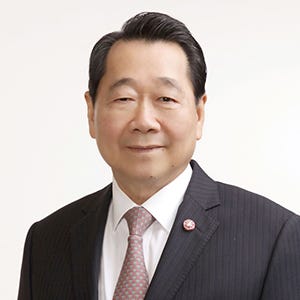
In return, CP Group's leaders, such as Dhanin Chearavanont, have been lauded by the Chinese state as "best-known international friends," often acting as an informal diplomatic channel and underscoring the deep, intertwined economic relationship that shapes Thailand's strategic calculus.
The Fraying U.S. Alliance
While China exerts a powerful gravitational pull, Thailand’s modern strategic identity has been historically anchored to its formal treaty alliance with the United States. This relationship, forged during the Cold War with Thailand’s entry into the U.S.-led SEATO alliance in 1954, was solidified during the Vietnam War. At the conflict's height, Thailand hosted over 50,000 U.S. service members, providing critical air bases for operations in Indochina and serving as a major Rest and Recreation (R&R) hub. Bangkok also committed its own troops to the fight, becoming the third-largest foreign troop contributor in South Vietnam. This deep partnership was instrumental in another, less visible conflict: Thailand’s own successful, decades-long campaign against a pro-Beijing communist insurgency, an effort that received significant U.S. assistance and strong backing from the Thai monarchy.
In recent years, however, this long-standing relationship has begun to fray due to a series of diplomatic incidents. These episodes highlight a growing divergence on issues of human rights and democratic norms, often stemming from Bangkok’s perceived deference to Beijing. In July 2015, and again in February 2025, Thailand drew sharp condemnation from the U.S. State Department for forcibly repatriating groups of Uyghur refugees to China, despite American and Canadian offers of asylum and warnings of the persecution they would face. From Washington's perspective, Bangkok’s decision to yield to Chinese pressure on a critical humanitarian issue was seen as a serious breach of trust.
Another irritant emerged in April 2025 with the arrest of Paul Chambers, a prominent American academic at a Thai university, on charges of lèse-majesté. The case, which was eventually dropped, sparked alarm in Washington and drew public attention to what the State Department termed its "longstanding concerns" over the use of such laws to stifle free expression.
These diplomatic strains have tangible economic consequences. Observers often critique Thai officials for being consumed by domestic power struggles, leading them to misread the international environment and underestimate the reputational damage from such actions. As Thailand seeks to negotiate a new trade deal with the United States, its negotiators are finding that the "good old days" of warm relations have faded. With diminished political goodwill, Bangkok has lost significant bargaining clout and appears unlikely to secure terms as favorable as those obtained by regional competitors like Vietnam, placing it at a further economic disadvantage.
Despite these tensions, the alliance is kept from capsizing by one crucial anchor: deep and enduring military-to-military ties. Thailand remains a "major non-NATO ally" of the U.S., a status most visibly demonstrated by Exercise Cobra Gold. Hosted annually by Thailand since 1982, it is the longest-running multinational military exercise in the region and a cornerstone of U.S. security strategy in the Indo-Pacific. The large-scale participation of U.S. forces alongside their Thai counterparts provides a powerful counterbalance to China’s growing military influence and reinforces Thailand’s position within the American security orbit.
Ultimately, Thailand is caught in a high-stakes geopolitical balancing act. While it engages in military drills with China, such as "Falcon Strike," the history and institutional depth of the U.S. relationship provide a strategic anchor that Thai leaders are reluctant to abandon. The central challenge remains whether Bangkok can navigate its complex relationship with Beijing without further eroding the trust of its most critical security partner. The choices it makes on seemingly minor diplomatic issues can have outsized consequences, directly impacting the economic stability and strategic autonomy it needs to address its internal fault lines.
A Fractured Social Fabric
Behind Thailand's prosperous veneer of gleaming shopping malls and five-star resorts lies a society marked by deep internal fractures. While official statistics show impressive gains in poverty reduction over the past few decades, this macro-level success obscures the reality of lived experience for millions. Wealth and opportunity remain starkly concentrated, creating a system of "Two Thailands" that has fueled decades of social resentment, underpinned much of the nation's political conflict, and plunged a vast portion of its population into a crippling cycle of debt.
The Great Divide: Inequality and Geographic Centralization
The most defining feature of Thailand’s economy is its profound inequality. In 2021, the country recorded the highest income inequality in East Asia, with a Gini coefficient of 43.4%. This is not an accidental outcome but a structural feature systematically reinforced by government policy. The state's resources are overwhelmingly directed toward the capital. According to World Bank data, roughly 70% of all government expenditure is concentrated in Bangkok and its surrounding metropolitan region. This area, while the engine of the formal economy, contains only about a quarter of the nation’s population. Consequently, the majority of the country, over 75% of the populace spread across dozens of provinces, is left to compete for the remaining 30% of the national budget.
The results of this imbalance are stark. Rural provinces, especially in the agricultural heartland of the Northeast (Isan) and the South, suffer from chronic underdevelopment, lagging far behind Bangkok in income levels, infrastructure, and public services. This deep-seated sense of marginalization has been a primary driver of political conflict. It created the fertile ground for populist movements like Thaksin Shinawatra's "Red Shirts," which drew their strength from a rural electorate that felt, for the first time, that a political leader was directly addressing their needs rather than the priorities of the Bangkok elite.
The Crushing Weight of Household Debt
The most acute symptom of this systemic inequality is a staggering and persistent household debt crisis. For millions of Thais, borrowing is not a choice for investment but a necessity for survival. In the absence of robust social welfare programs, families rely on credit to weather any significant financial shock, from a medical emergency or a failed crop to simply covering daily expenses during a period of low income.
Over the past decade, this has caused Thailand’s household debt to surge to one of the highest levels in Asia. By early 2024, the figure reached a record high of nearly 91% of GDP, or 16.4 trillion baht. This far exceeds the debt burdens of regional peers like Malaysia (67%) and Singapore (49%). A survey by the Thai Chamber of Commerce found that the average debt per household had jumped 8.4% in just one year, with many struggling to service their loans amid stagnant wage growth. "We’ve faced debt problems for a long time and we can’t solve anything," lamented the project's head.
A particularly corrosive element of this crisis is the prevalence of informal debt. It is estimated that around 30% of all household debt is sourced from outside the formal banking system, often through local loan sharks who charge exorbitant, unregulated interest rates. This form of debt has a crushing effect on the poor and working class, trapping families in a spiral from which it is nearly impossible to escape. The macro-economic consequences are severe: high debt constrains domestic consumption, stifles entrepreneurial risk-taking, and, as economists repeatedly warn, poses a systemic threat to the nation's financial stability should a rise in defaults occur.
Compounding this problem is the recent and explosive growth of the Buy-Now-Pay-Later (BNPL) market. Fueled by the e-commerce boom, services like Shopee Pay Later and Lazada’s “Laz Pay Later” have become immensely popular, particularly among young consumers. Installment payments now make up over 40% of all online purchases in Thailand. The BNPL market was valued at around $3.43 billion in 2024 and is forecast to grow to over $6.6 billion by 2030. While these services offer convenience, they are a powerful accelerant for a culture of consumption that can push low-wage earners deeper into debt. The Bank of Thailand is now considering oversight measures, but for now, the sector remains a largely unregulated force worsening the national debt crisis.
The Gaps in the Social Safety Net
The reason Thai households are so reliant on debt is the profound inadequacy of the state’s social safety net. A massive portion of the Thai labor force—encompassing street vendors, farmers, motorcycle taxi drivers, and gig economy workers—operates in the informal sector. These individuals lack steady incomes, health insurance, unemployment benefits, or pension coverage, leaving them completely exposed to economic shocks. As the International Monetary Fund observed, this lack of job security makes people "particularly vulnerable... they need to borrow just to make ends meet."
The maldistribution of public services is a key driver of this precarity. Access to quality healthcare, a fundamental pillar of social protection, remains a tale of two countries. Nearly 40% of all physicians and 25% of all nurses are concentrated in Bangkok. This results in a doctor-to-population ratio in the capital that is roughly ten times higher than in the poorest rural regions. As an opposition MP recently highlighted, provinces in the rural northeast like Bueng Kan and Nong Bua Lam Phu often see their local budgets spent on roads and construction, with no new projects to address critical doctor shortages.
This forces citizens in poorer provinces to make an impossible choice: either travel long distances to urban centers for advanced medical treatment or make do with understaffed and under-equipped local clinics. The government’s own analysis acknowledges that regional disparity in healthcare is a major development challenge. The result is a persistent "two-tier" society where the well-connected urban population enjoys security and access, while many others remain one accident or illness away from destitution. Efforts to fund a more expansive welfare state are often resisted by powerful business lobbies that oppose higher taxes on wealth or corporations, ensuring these gaps remain.
The persistence of these deep structural problems is reinforced by powerful cultural undercurrents. The widely cited Thai ethos of “sabai sabai” (an easy-going, non-confrontational attitude) and the common refrain “mai pen rai” (“never mind, it’s okay”) can be a source of remarkable social resilience. This mindset, rooted in Buddhist ideals of equanimity, has helped Thai society endure repeated crises ranging from coups to natural disasters without completely fracturing. It fosters a cultural preference for compromise and conflict avoidance, a tendency to "bend with the wind rather than breaking in a storm."
However, many Thai critics and columnists argue that there is a darker flipside to this mentality. The “sabai sabai” attitude can slide into a pervasive complacency and fatalism, becoming, as one writer quipped, "an excuse for why things don’t get done." In this view, the cultural emphasis on maintaining surface-level harmony often means that serious problems are swept under the rug. Deference to authority is deeply ingrained, which can enable abuses of power. Blatant instances of nepotism and cronyism, such as when government officials appoint unqualified relatives to paid positions, often provoke public grumbling but little sustained pressure for accountability. This societal resignation, conditioned by decades of top-down rule, allows systemic issues to fester.
This cultural status quo, however, is now facing its most significant challenge in modern history. A younger generation of Thais, more educated, urbanized, and exposed to global ideas through the internet and study abroad, is far less inclined to accept injustice with passive resignation. Their worldview is different; as one young business leader articulated it, "Our grandparents were ruled by the West, our parents learned from the West, we grew up in the West."
This cohort, represented by the youth-led movements of recent years, is increasingly questioning traditional hierarchies and the long-held expectation of unquestioning deference to elders and superiors. They are more willing to demand transparency and hold power to account. This generational shift means that Thailand’s famed social harmony will likely be tested more frequently and intensely in the years to come. Whether the country's political and social institutions can adapt to incorporate these new, more assertive voices, or whether they will resist, will be a key determinant of its future stability and its capacity for genuine reform.
Real Estate and Finance
Even as Thailand navigates the political and social challenges above, it faces looming economic flashpoints that could upset the fragile equilibrium. One urgent concern is the real estate sector, which some analysts warn is teetering on the edge of a financial crisis. A massive wave of property developer debt is coming due: between April 2025 and December 2026, over 266 billion baht (≈$7.7 billion) in real estate bonds will mature, many of them high-yield or unrated junk issues. With the property market already slumping, new housing projects and sales have fallen sharply amid higher interest rates and weak buyer confidence, there is a serious risk of defaults by overstretched developers.
“The Thai real estate sector is on the brink of a financial time bomb” - The Nation Thailand
One business journal warned, Thailand’s real estate sector is similar to an earthquake that could shake the financial system. If a major developer were to default on its bonds, it could trigger a domino effect: banks and investors would suffer losses, credit would tighten further, and other firms might collapse in a chain reaction. The majority of this property risk is concentrated in Bangkok within three segments: luxury condos, low-end condos, and office space.
Luxury Condos
Bangkok’s luxury condominium market, once heavily reliant on foreign buyers, is now grappling with a severe oversupply. Before the pandemic, Chinese nationals accounted for roughly 60% of foreign condo purchases, viewing Bangkok property as a safe asset and a "second home." Affluent buyers from Myanmar also became a significant force, seeking a store of wealth and a refuge from their own country's turmoil
The COVID-19 pandemic shattered this model. Travel bans caused demand to plummet, leaving developers with a glut of unsold inventory. As of mid-2025, there are still an estimated 74,000 unsold condo units in Bangkok. While foreign demand is slowly returning, the buyer profile has shifted, and developers must now compete fiercely for a smaller, more diversified pool of buyers in a market crowded with newer projects.
Low-end condos
At the other end of the market, condos priced at 3 million Baht and below face a different problem: Thailand's soaring household debt. With household debt nearing 90% of GDP, banks are increasingly unwilling to approve mortgages for low- and middle-income Thais. This has crippled demand in the affordable segment, making these units exceptionally difficult to sell and pushing developers to gamble on the already-saturated luxury market instead.
The Foreign Ownership Dilemma
To manage the real estate overhang, some have proposed easing foreign ownership rules. Currently, the Condominium Act limits foreign ownership to 49% of a building's liveable area. For years, many foreign investors circumvented these laws using nominee structures, where a Thai national holds shares on their behalf. However, a recent government crackdown on these arrangements has created significant legal uncertainty. Proposed solutions include raising the foreign condo quota to 75% and potentially simplifying the process of attaining and keeping a Thai visa. Yet, policymakers must balance the need to attract foreign capital against the risk of further pricing out local Thais from their own domestic market.
Office Space
Bangkok’s office market is also facing its own crisis. After years of new skyscraper developments, the city now has an oversupply of office space coupled with softer demand. As of late 2024, Bangkok had about 8.78 million square meters of office space with a vacancy rate of ~27% – the highest office vacancy since the 1997 Asian financial crisis. As a comparison, vacancy was as low as 3–5% in 2021, before new supply was completed. Many companies are downsizing their office footprints, major firms like IBM, Microsoft, and Ericsson have each cut their Bangkok office space by 30–50% as they streamline operations and embrace hybrid work. This downsizing trend, combined with slow economic conditions, has dampened net absorption of office space.
On the construction side, Bangkok’s developers are beginning to pause their new office constructions. Several large projects that were slated to open between 2024 and 2028 have now been postponed indefinitely due to the glut. Notably, the huge “One Bangkok” complex, set to include Thailand’s tallest tower and 150,000 sq.m. of office space,has delayed its next phases until existing space can be leased out. Another planned project, The Parq (Phase 2), also halted construction for the time being. Market experts predict it may take five or more years for Bangkok’s office sector to rebalance to healthier occupancy levels. Bangkok developers and government are keen to avoid another Sathorn Tower situation where a high-rise is 80% completed, but never finished.
Financial Services
Thailand’s banking system is often praised for its post-1997 prudence. Banks maintain solid capital buffers and the Bank of Thailand (BoT) is regarded as a conservative regulator. After the Asian Financial Crisis, Thai regulators tightened lending standards and improved oversight to avoid a repeat of the 1997 collapse. As a result, most Thai banks today are well-capitalized and, on paper, can withstand moderate shocks. However, significant vulnerabilities lurk beneath this stable facade.
Thailand’s high household and corporate debt raise concern that non-performing loans (NPLs) are higher than reported. There have been fears that banks may underreport bad loans, possibly to avoid loss of face or regulatory consequences making it difficult to access the true scale of distressed debt. If household debts continue rising or if real estate defaults surge, banks could see NPL ratios climb sharply, testing their resilience. BoT data in late 2024 showed NPLs around 2.7%, but independent economists suggest the figure would be higher if not for ongoing forbearance programs.
Another weak spot is shadow banking. Many Thais rely on non-bank lenders and underground financiers, from local loan sharks to informal leasing companies. These channels fill gaps left by strict bank lending but at high interest rates. The government faces a dilemma: cracking down on informal lending could protect consumers long-term, yet an abrupt crackdown might cut off credit to households and small businesses, causing a credit crunch. Conversely, if a major informal lender were to collapse, for instance, a large cooperative or loan shark network, it could send shockwaves through communities that suddenly lose access to credit. Regulators are thus forced to balance enforcing credit discipline without creating a lending freeze in the informal sector.
Externally, global financial volatility poses risks. Rapid U.S. Federal Reserve rate hikes in 2022-2023 led to capital outflows from Thai bonds and a weaker baht at times, complicating BoT’s monetary policy. When U.S. rates rise, Thai authorities feel pressure to raise rates to defend the baht and curb outflows, even if the domestic economy is weak. Conversely, in 2024-2025 the trend partially reversed: expectations of Fed cuts and investor risk appetite brought capital inflows into Thai bonds. About $2 billion of foreign capital flooded into Thai bonds in early 2025, especially into longer tenors. Investors, including global funds, saw Thai government and corporate bonds as relatively safe and sought to lock in yields.
The irony is that these inflows, while stabilizing in one sense, caused the Thai baht to strengthen when the economy itself was struggling. By mid-2025 the baht hovered near 32 baht per USD, its strongest in years. Analysts pointed to two drivers of baht strength: (1) Foreign capital inflows into Thai debt due to Thailand’s stable outlook and a weaker dollar environment; (2) Thailand’s role as a regional gold trading hub. When global gold prices spike, Thai investors often sell gold to take profits, these sales are settled in baht, creating unusual baht demand and boosting the currency.
Part 3 - The Way Forward
Given the challenges above, many economists and thinkers have pointed out problems, high debt, eroding competitiveness, over-reliance on tourism, but few have outlined a fundamental restructuring of the Thai economy for long-term growth. To reinvigorate the Thai economy requires a strategic focus on four areas: (1) National Planning & Vision, (2) Education, (3) Technology & Innovation, and (4) Healthcare. These are interrelated and, together, could propel Thailand out of the current middle-income/debt trap toward a more sustainable, high-value economy.
National Vision and Five-Year Plans – Adapting the Models of China and Vietnam
A core weakness in Thailand's economy has been the absence of a cohesive, long-term national vision that can survive changes in government. Frequent political transitions, including military interventions, have created a fractured policy landscape where priorities shift with each new administration.
The "Thailand 4.0" initiative, proposed by the military-led government, was the closest attempt at such a vision. However, its effectiveness was limited. Being a top-down, military-driven plan, it struggled to gain broad public buy-in. Its focus was heavily weighted toward physical infrastructure (railways, airports) without parallel reforms in "software" like human capital, regulatory frameworks, or industrial policy. When the government changed, the plan's momentum stalled, leaving behind a legacy of incomplete projects rather than transformative change.
To build a more effective model, Thailand can draw valuable lessons from the strategic planning of two key neighbors: China and Vietnam.
China’s Model
China’s method of governance cannot be copied wholesale, but one element worth considering is its use of Five-Year Plans (FYPs) to align national, provincial, and local efforts around common goals. China’s FYPs are far from perfect, the numbers are frequently inflated or “fudged”, but they serve as a unifying blueprint. Ministries, industries, and even private companies in China pay attention to the FYP directives, whether it’s advancing renewable energy, AI technology, or reducing poverty, and allocate resources accordingly. The process forces Chinese policymakers to articulate medium-term goals and coordinate actions. Even if not every target is met, the directional progress can be significant. For example, China’s recent FYPs identified electric vehicles and semiconductor self-reliance as priorities; within a few years China became the world’s largest EV producer and is rapidly investing in chip fabs, guided by that plan.
Vietnam’s Model
Vietnam offers another relevant case. Vietnam, like Thailand, is an emerging economy but one that has been growing fast and climbing the value chain. Vietnam’s Communist Party also uses five-year plans, though on a smaller scale than China. Importantly, Vietnam’s strategy in the 2020s has been to focus on a few key areas:
Manufacturing hub development
Vietnam positioned itself as a lower-cost alternative to China for manufacturing. Global manufacturers (Samsung, Intel, Nike, etc.) have set up large operations. The government’s plans explicitly set targets for manufacturing as a share of GDP and issued incentives to attract foreign direct investment in electronics, textiles, machinery, etc.. As a result, manufacturing now contributes over 20% of Vietnam’s GDP and continues to grow.
High-tech and digital growth
Vietnam knows it cannot rely on low wages forever as countries like Bangladesh can undercut Vietnam. The government is also encouraging investment in higher-tech industries including robotics, AI, and software. Vietnam’s Industry 4.0 initiative and digital transformation agenda aim to increase the share of high-tech manufacturing to 45% of total manufacturing by 2030. The Vietnamese education system is also emphasizing STEM fields, and there are tech incubators in cities like Ho Chi Minh City and Danang.
Human capital – diaspora and foreign talent
Vietnam has a large diaspora (often called “Việt Kiều”) who left during the war years and settled in the US, France, Australia, etc. Many became successful professionals. The Vietnamese government in recent years has actively courted this group to return or invest in Vietnam. To ease the transition the government has relaxed policies on property ownership and allowed dual citizenship.
They also removed a previous mandate that foreigners seeking citizenship had to speak Vietnamese, making it easier for second-generation diaspora to return to live in Vietnam. These moves are intended to “repatriate” talent and wealth.
Attracting foreign experts
Beyond the diaspora, Vietnam has made it easier for any foreign expert to live and work. It offers 5-10 year visas for qualifying investors or professionals, special economic zones with relaxed work permit rules, etc. This contrasts with Thailand, where foreign professionals often face cumbersome work permit rules and frequent immigration check-ins.
Lessons for Thailand
Drawing from these regional lessons, the foundational step is for Thailand to formulate a new National Development Plan. This plan must be fundamentally different from past efforts. This new plan would move beyond a singular focus on physical infrastructure to integrate clear, measurable targets for human capital, innovation, and growth.
To ensure its legitimacy and longevity, this plan must be developed through a process of broad stakeholder consultation—engaging academics, business leaders, opposition parties, and civil society—thereby creating a shared vision that can endure beyond any single electoral cycle. A proposed structure would be a 10-year strategic vision, implemented through two distinct 5-year phases with publicly reported benchmarks.
For this plan to succeed, it requires a robust governance framework. The mandate of the National Economic and Social Development Council (NESDC) should be strengthened, transforming it into a permanent, empowered planning and monitoring agency. This body would be responsible for tracking progress against benchmarks, coordinating inter-ministerial efforts, and adjusting policies as needed.
This model would be analogous to Malaysia's Economic Planning Unit (EPU), a central agency within the Prime Minister's Department that has been instrumental in driving the country's development plans and ensuring policy coherence. An empowered NESDC would provide the institutional backbone necessary to translate vision into action.
Crucially, a successful plan cannot be a generic list of goals; it requires strategic bets on high-potential sectors. Rather than spreading resources thin, Thailand should concentrate its efforts on industries where it can build a durable competitive advantage.
Two such pillars stand out:
AI-Driven Mobility and Logistics
Advanced and Preventative Healthcare
By rallying government ministries, universities, and private investment around these well-defined focus areas, Thailand can create powerful economic ecosystems. This targeted approach would enable the country to build the specialised talent pools and deep innovation capabilities required to exit the middle-income trap and compete on the global stage
AI-Driven Mobility and Logistics
Thailand has a solid industrial base in automotive manufacturing, often called the “Detroit of Asia” for its huge car assembly sector. Thailand should leverage this industrial base to become a regional leader in three key areas: drones, electric vehicles (EVs), and autonomous vehicles (AVs)
Drones
Drones can be used in industries from logistics to agriculture to security. Thailand has plenty of open space and diverse terrains that could serve as testing grounds for drone technology. For instance, large rural areas in Isan or the mountainous north could benefit from drone delivery of medical supplies or monitoring of crops. This was the model Zipline used to get its start focusing on delivery of medical supplies from Africa's larger cities to more rural areas. Thai startups like Fling have been actively testing drone deliveries and aerial surveys.
The major challenge has been Thailand’s regulatory environment for drones. Currently, the Civil Aviation Authority of Thailand (CAAT) strictly regulates drone operations: all drones over 2 kg must be registered, commercial use requires a permit and work authorization, and drones cannot fly over certain areas (palaces, military sites, public parks, etc.) without special permission. A law passed in 2015 actually made flying drones difficult legally, tightening rules on where and how drones can be used. Essentially, advanced operations: flying beyond visual line of sight or over cities, are not yet broadly allowed, pending new regulatory frameworks. This caution is partly for safety and privacy, but it has arguably stifled innovation by forcing drone entrepreneurs to focus on very limited use-cases. One such use case is using drones in warehouses to quickly assess inventory counts.
However, momentum for reform is building. In April 2025, CAAT announced a “Drone Master Plan” and even launched a UAS Regulatory Sandbox zone in Wangchan Valley, Rayong. This sandbox allows companies to test drone tech in a controlled airspace. CAAT’s director highlighted plans to trial urban drone delivery by the end of 2025, starting in Bangkok. The policy explicitly is to “promote the use of delivery drones in urban areas by 2025”. CAAT is setting up certification for UAS training centers to build a pipeline of skilled drone operators.
To capitalize on this, Thailand should adopt a focused drone strategy:
Streamline Regulations: Create a clear, phased framework for integrating drones into the national airspace, providing startups with the regulatory certainty needed to attract investment.
Designate Pilot Zones: Establish specific regions as testbeds for advanced services. Bangkok's notorious traffic makes it a perfect laboratory for urban package delivery, while the expansive Isan region could host long-range medical supply and agricultural monitoring routes.
Modernize Airspace Management: Address security concerns from the Royal Thai Air Force by developing a digital UAS traffic management (UTM) system for low-altitude airspace. This would create designated drone corridors and operating times, enabling safe, coordinated flights without compromising national security.
EVs and AVs
Beyond drones, EVs and autonomous vehicles are another big opportunity. The global auto industry is shifting to electric, and Thailand risks being left behind if it doesn’t transition from gasoline vehicle production. The government set a bold target that 30% of vehicles made in Thailand should be electric by 2030. They’ve provided incentives for EV manufacturing, and companies like BYD and Great Wall Motors have started EV production projects in Thailand in the past two years. Additionally, Thai auto-parts companies are being encouraged to pivot to EV components. All this could make Thailand a regional EV production hub taking advantage of its existing supplier network.
This transition, however, is not without risk. Two challenges must be managed:
The Used Market: A rapid shift to EVs could collapse the secondary market for used gasoline cars, creating a financial shock for consumers who financed these vehicles. A managed transition policy is needed to mitigate this impact.
The EV "Race to the Bottom": Intense price competition among EV manufacturers, while good for consumers in the short term, could erode profitability and make the Thai market less attractive for long-term investment.
Beyond EVs, Thailand should position itself at the forefront of autonomous technology. The Eastern Economic Corridor (EEC) is the ideal location for a dedicated smart mobility sandbox, where companies can test and deploy self-driving delivery robots, shuttles, and logistics vehicles.
This initiative would serve a crucial strategic purpose. With Thai manufacturing facing threats from potential US tariffs and local pushback against foreign-owned factories in areas like Rayong, developing a homegrown AV industry would create high-value jobs and a source of national pride. It would transform the EEC from a hub for foreign assembly lines into a world-class center for Thai-led innovation, ensuring its long-term economic benefit and social acceptance.
Advanced and Preventative Healthcare
Thailand and the world’s demographics are shifting; with many countries transitioning into aged societies. Within Thailand healthcare demand is rising, but access remains very unequal. Isan has some of the worst healthcare access in the country. Eight of the ten provinces with the fewest hospital beds per capita are in Isan, reflecting persistent regional disparities in healthcare infrastructure. For example, Chaiyaphum Province had as few as one hospital bed per 1,131 people around 2001, while the national average at that time was about one bed per 453 people. Although exact current provincial data are limited, the overall hospital bed availability in Thailand has improved, with approximately 2.7 hospital beds per 1,000 people nationwide in recent years. However, this masks significant urban-rural disparities.
Bangkok enjoys about 3.7 hospital beds per 1,000 people, which is roughly 54% higher than the ratio in second-tier cities, around 2.4 beds per 1,000 people. Rural and northeastern regions like Isan continue to have lower bed densities and face higher bed occupancy rates, sometimes exceeding 90%, indicating insufficient capacity to meet demand. Physician distribution is similarly skewed: Bangkok has roughly 1 doctor per 1,000 people, while rural areas, including much of Isan, may have only 1 doctor per 3,000 or more people. This uneven distribution contributes to ongoing challenges in healthcare access outside major urban centers.
Regions such as Chiang Mai and southern resort areas like Phuket have better healthcare infrastructure, including hospitals catering to medical tourism, but the northeast remains under-served in both hospital beds and physician availability.The Thai government’s Universal Coverage Scheme and ongoing investments have improved access to primary care, with hospitals in every district and clinics in every sub-district, but infrastructure gaps and regional inequalities persist.
This gap is an opportunity for innovation. If Thailand incentivizes healthcare companies to pilot new delivery models in under-served regions, it can both improve welfare and create a new industry. Telemedicine, AI diagnostics, and community-based care could not only improve health outcomes in Thailand’s rural areas, but also create an expanded medical tourism industry.
Thailand can start with an AI-driven app to help a nurse or village health volunteer diagnose common conditions. Thonburi Hospital is already experimenting with such an app by starting with smart registration aiming to reduce the wait time for patents. While AI can’t fully replace doctors yet, it can augment a sparse healthcare workforce by catching issues early. A Thai startup could also develop an AI trained on local health data, that is particularly tuned to issues facing an agrarian-community.
During COVID, tele-health expanded in Thailand out of necessity. The government can build on this by rolling out telemedicine kiosks in every sub-district. Patients could have virtual appointments with doctors in Bangkok for many conditions, rather than traveling hours to a city hospital.
Linking back to mobility, drones could deliver medicines or even medical devices to remote villages quickly. A potential trial has been explored in Chiang Mai looking into drones delivering needed medical equipment to patients at a marathon event in a fraction of the time an ambulance would take. Scaling this to remote emergencies could save lives.
Thailand is already a premier medical tourism destination, anchored by world-renowned institutions like Bumrungrad Hospital in Bangkok. The next step is to decentralize this success and use it as a tool for regional development.
The strategic play is to develop high-quality retirement communities and wellness centers in underserved regions like Isan. Land is cheaper, and the initiative would create thousands of local jobs in construction, healthcare, and hospitality, providing a powerful incentive for young people to remain in their home provinces rather than migrating to Bangkok. This can be driven by a public-private partnership scheme, offering tax incentives for companies willing to invest in building new hospitals and elder-care facilities in these targeted zones.
By making healthcare a cornerstone of its national strategy, Thailand can achieve multiple goals simultaneously: fostering inclusive growth by uplifting its poorest regions, leveraging advanced technology, and catering to a massive global demand for health and wellness services. Few initiatives offer such a powerful combination of economic upside and political goodwill.
Education Reform
All of the above aspirations hinge on one fundamental enabler: human capital. Thailand’s education system has long been criticized as outdated and underperforming. In regional assessments and PISA tests, Thai students often lag behind peers in countries like Singapore, Vietnam, or even Malaysia in certain subjects. Rote learning is still prevalent, English proficiency is low, and there’s a mismatch between what schools teach and the skills the modern economy needs, namely critical thinking, creativity, and digital skills.
Instead of attempting slow, incremental reforms against a bureaucracy that has resisted change for decades, Thailand should strategically leapfrog these hurdles. Just as developing nations skipped landlines for mobile phones, Thailand can jump directly to the frontier of educational technology by fostering an AI-first education culture.
Similar to the model of Alpha School in the U.S. (Austin, Texas), Thailand could introduce AI-driven learning software to personalize education. At Alpha School, students use adaptive AI tutors for core subjects, allowing each child to learn at their own pace. Fast learners zoom ahead, those who struggle get targeted help. The result was compressing what would be 6 hours of lessons into about 2 hours, freeing up time for other projects. Thai schools could adopt such systems or work to develop their own version using existing models. Introducing AI-enhanced education would be especially valuable in rural schools where teacher quality can be uneven; an AI tutor can ensure a baseline of quality and consistency.
If AI handles the foundational concepts, class time can shift to creative projects, teamwork, and problem-solving, skills proven to drive innovation and entrepreneurship. The Alpha School example shows that with AI tutors, students had the rest of the day for “life skills workshops,” coding self-driving mini-cars, exercising, etc., which build grit and collaboration. Thai schools could similarly emphasize hands-on projects, building simple robots, community service, starting a small business, to nurture creative thinking.
A key for these programs to succeed is avoiding making teachers obsolete, instead their role shifts to facilitators and mentors. Thailand would need to retrain educators to use AI tools effectively and to focus on higher-order guidance rather than lecturing basic content. Microsoft, OpenAI and the American Federation of Teachers recently announced a similar program for training US educators.
One risk is urban schools further leaping ahead with tech while rural ones fall further behind. The government must ensure technical infrastructure is in place to give rural kids a shot at a better future. Thailand has fairly good internet coverage and has distributed tablets to students in past initiatives, albeit with mixed results. A national program to equip every school with the needed tech for AI learning would be necessary. This could be another public-private partnership with Thailand’s or International big tech companies sponsoring school digitization. Estonia’s Tiger Leap in the ’90s was a successful government program that put computers in all schools and allowed Estonia to lead in public innovation. Estonia is now trying to implement its own AI focused program as well.
Thailand must overcome the stubborn obstacle of bureaucracy. The Ministry of Education and associated bodies can be very resistant to change, as an example curriculum reforms often get watered down. If a government could achieve a strong mandate, it could declare an “Educational State of Emergency” and attempt to push through a reform package: updating curricula to include coding and AI literacy, cutting red tape for EdTech companies to operate in schools, and perhaps even creating new special schools as innovation labs.
An alternative pathway is outside the formal system. Thailand could encourage growth of private, alternative schools that use these methods, as proof of concept, and gradually influence the public system. For example, Thai education law could be adjusted to make it easier to establish innovative private schools or home-schooling co-ops that use AI. If these yield superior outcomes, public opinion might force the mainstream system to adapt.
To tie this back to economic development: a workforce skilled in AI and creative problem-solving would be a huge competitive advantage. If today’s Thai 10-year-olds get an AI-first education, in 15 years they’ll be a cohort of highly skilled entrepreneurs, engineers, and global-minded citizens. This could lead to a boom in SMEs and startups, which are indeed the engine of sustainable growth. Thailand currently lags in innovation indicators; a bold education leap could change that trajectory.
Education reform is arguably the toughest piece, but also the most critical. Without it, any gains in industry or tech will hit a ceiling. With it, Thailand could unlock the creativity and talent of its youth, providing a foundation for tech mobility and healthcare innovation to succeed. A government that articulates this compelling vision, that every Thai child can receive world-class, AI-enhanced education and have the skills to build the Thailand of tomorrow, could indeed build legitimacy and hope among a populace weary of political turmoil and economic stagnation. It is a future vision that moves beyond managing debt and toward creating prosperity.
Part 4 - Closing Thoughts
As Thailand looks to the future, it stands at a monumental crossroads. In the wake of the 1997 financial crisis, the late King Bhumibol Adulyadej (Rama IX) championed a "Sufficiency Economy" philosophy—a call for moderation, self-reliance, and sustainable development. That wisdom remains profoundly relevant today. To secure its future, Thailand must find a new equilibrium where its unique institutions can support a more innovative, inclusive, and predictable economic order.
The challenges, as outlined in this thesis, are undeniably steep. The economy is caught in a middle-income trap, burdened by high household debt and over-reliant on volatile sectors like tourism. The path forward requires a fundamental restructuring, moving beyond short-term fixes to build a high-value economy powered by technology and talent. Yet, as this analysis has shown, economic reform is inseparable from the need for a stable and predictable governance environment.
Thailand's history since 1946 is one of remarkable resilience and adaptation. The kingdom has navigated political upheavals, economic booms and busts, and profound social transformations. This innate pragmatism offers a basis for cautious optimism. The critical question now is whether the nation's key stakeholders: the government, the military, and the corporate sector, can forge a new consensus. The fundamental choice is clear: engage in a zero-sum conflict over a shrinking economic pie, or collaborate on a new national vision that expands prosperity for all.
The path to this larger pie lies in the strategic pillars outlined in this thesis: a cohesive national vision, a revolution in human capital through an AI-first education system, and targeted investment in industries of the future like AI-driven mobility and advanced healthcare. These pillars offer a blueprint for creating sustainable growth and restoring competitiveness.
Ultimately, how Thailand’s elites respond to these pressures will determine the nation's economic fate. The fault lines are clearly visible, and the search for a new social and economic contract is palpable, capturing a widespread desire for a more accountable and prosperous future. The kingdom's journey of dramatic transformation is still very much in progress, and its next, most crucial chapter is yet to be written.
Selection of Sources
The analysis above draws on reporting and expert commentary from Reuters, The Economist, Bangkok Post, The Nation, the World Bank, the IMF, and academic observers.
Key references include: