

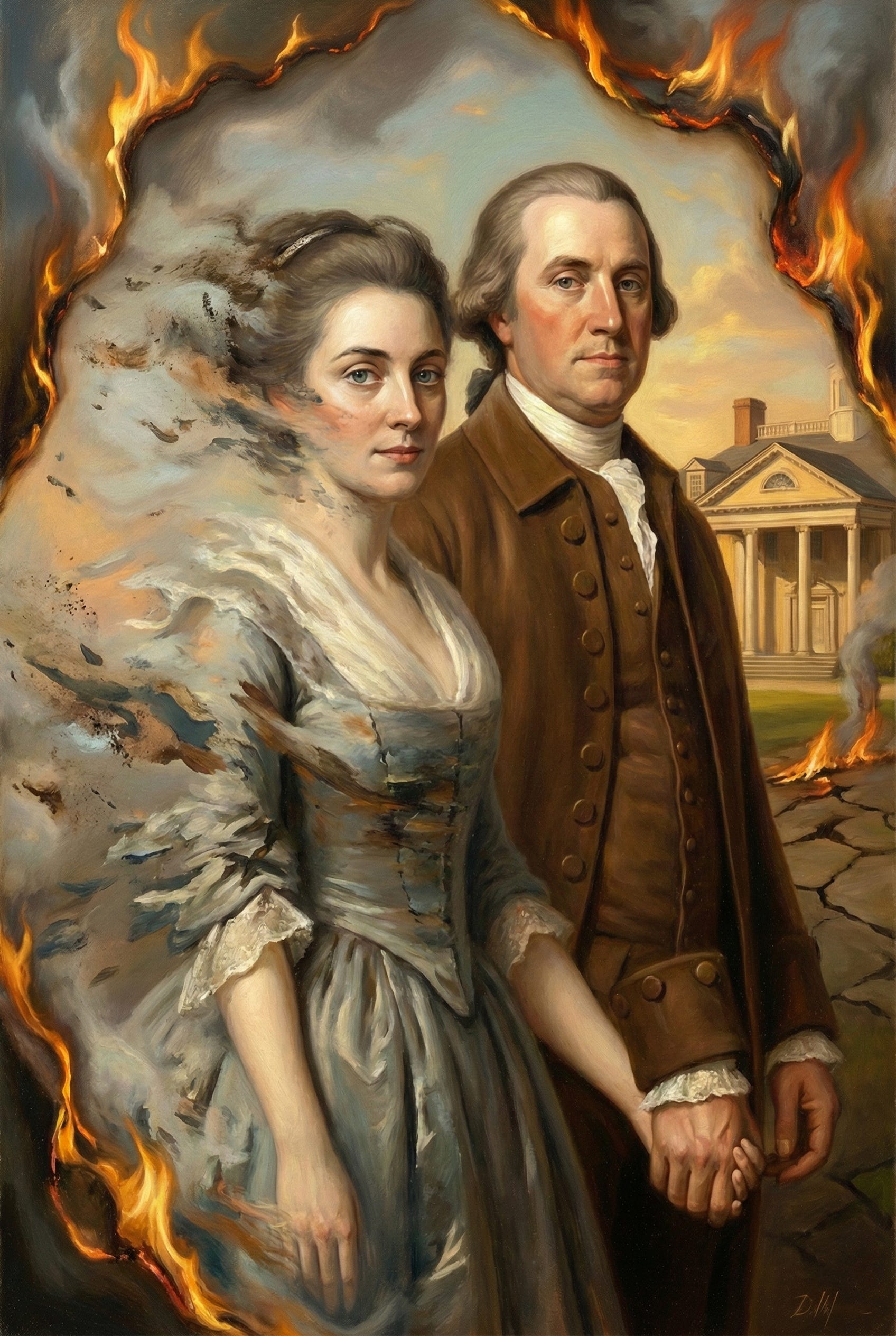
Elizabeth Lewis never signed the Declaration of Independence.
She died for it anyway.
In the fall of 1776, British soldiers came for her.
Her husband Francis had signed the Declaration of Independence just weeks earlier. He was in Philadelphia, serving in the Continental Congress, trying to build a nation from scratch. Elizabeth was home on Long Island, managing their estate at Whitestone, watching the war approach.
When the British invaded New York in August, they swept across Long Island like a flood. The Battle of Brooklyn was a disaster for the Continental Army. Washington barely escaped with his men, retreating across the East River under cover of darkness. By September, the British controlled all of Long Island, and they were settling scores.
To the British Crown, Francis Lewis’s signature was treason. The Declaration was a public document, and his name was printed on copies distributed throughout the colonies. The Lewis estate at Whitestone was well known to British authorities. When soldiers came looking for revenge against the men who had voted for independence, they knew exactly where to find his wife.
The soldiers destroyed the house. They looted everything of value: furniture, silver, clothing, documents, and burned what they couldn’t carry. Then they took the one thing Francis Lewis valued more than all of it. They took Elizabeth.
The Immigrant
Francis Lewis was born in Llandaff, Wales, in March 1713. His parents died when he was young, and he was raised by relatives who ensured he received a solid education. By his early twenties, he had apprenticed with a London merchant and learned the trade that would make his fortune.
In his early twenties, Lewis emigrated to New York. He arrived with little money but considerable ambition and a gift for business. Within a few years, he had established himself as a merchant, trading goods between the colonies and Europe.
Lewis was not content to stay behind a desk. During King George’s War in the 1740s, he served as a military contractor, supplying British forces. During the French and Indian War in the 1750s, he went further, accompanying the British expedition against Fort Oswego in 1756 as an aide to the commander.
That expedition ended in disaster. The French captured Fort Oswego, and Lewis was taken prisoner. He spent several years in French captivity before being released in a prisoner exchange and sent to France. Eventually, he made his way back to England and then to New York.
By the 1760s, Lewis had built a substantial fortune. He owned property throughout New York, including the estate at Whitestone in Queens. He had married Elizabeth Annesley, the daughter of a wealthy landowner, and they had raised seven children together.
He was in his sixties (old by colonial standards) when the Revolution began. He could have stayed out of it. He had money, comfort, and nothing to prove.
Instead, he signed.
The Decision
New York was not an easy place to be a patriot.
The colony was deeply divided. New York City had a large Loyalist population, and many of the wealthiest merchants (men like Lewis) had strong ties to British trade. The royal governor, William Tryon, was aggressive in suppressing dissent. Unlike Massachusetts or Virginia, where revolutionary sentiment had deep roots, New York’s path to independence was contested every step of the way.
Lewis was among the early converts. By 1774, he was serving on the New York Committee of Sixty, one of the extralegal bodies that coordinated resistance to British rule. In 1775, he was elected to the Continental Congress.
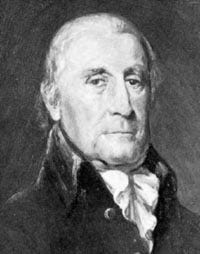
When the Declaration came up for a vote in July 1776, the New York delegation was in a bind. The state’s Provincial Congress hadn’t authorized them to vote for independence. While other colonies voted yes on July 2, New York abstained.
It wasn’t until July 9 that the New York Provincial Congress finally authorized its delegates to sign. Francis Lewis added his name to the Declaration sometime in August, becoming one of the New York signers alongside William Floyd, Philip Livingston, and Lewis Morris.
By then, the British were already preparing to invade.
The Invasion
The British assault on New York was the largest military operation in American history until the Civil War.
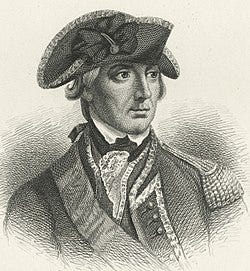
By late August, General William Howe had assembled over 30,000 troops and hundreds of ships. His brother, Admiral Richard Howe, commanded the most powerful naval force ever assembled in American waters. Against them, Washington had perhaps 20,000 soldiers, many of them poorly trained and inadequately supplied.
The Battle of Brooklyn, fought on August 27, 1776, was a rout. The British outflanked the American positions, killing or capturing nearly 2,000 men. Washington’s army retreated across the East River in a desperate nighttime evacuation, abandoning Long Island entirely.
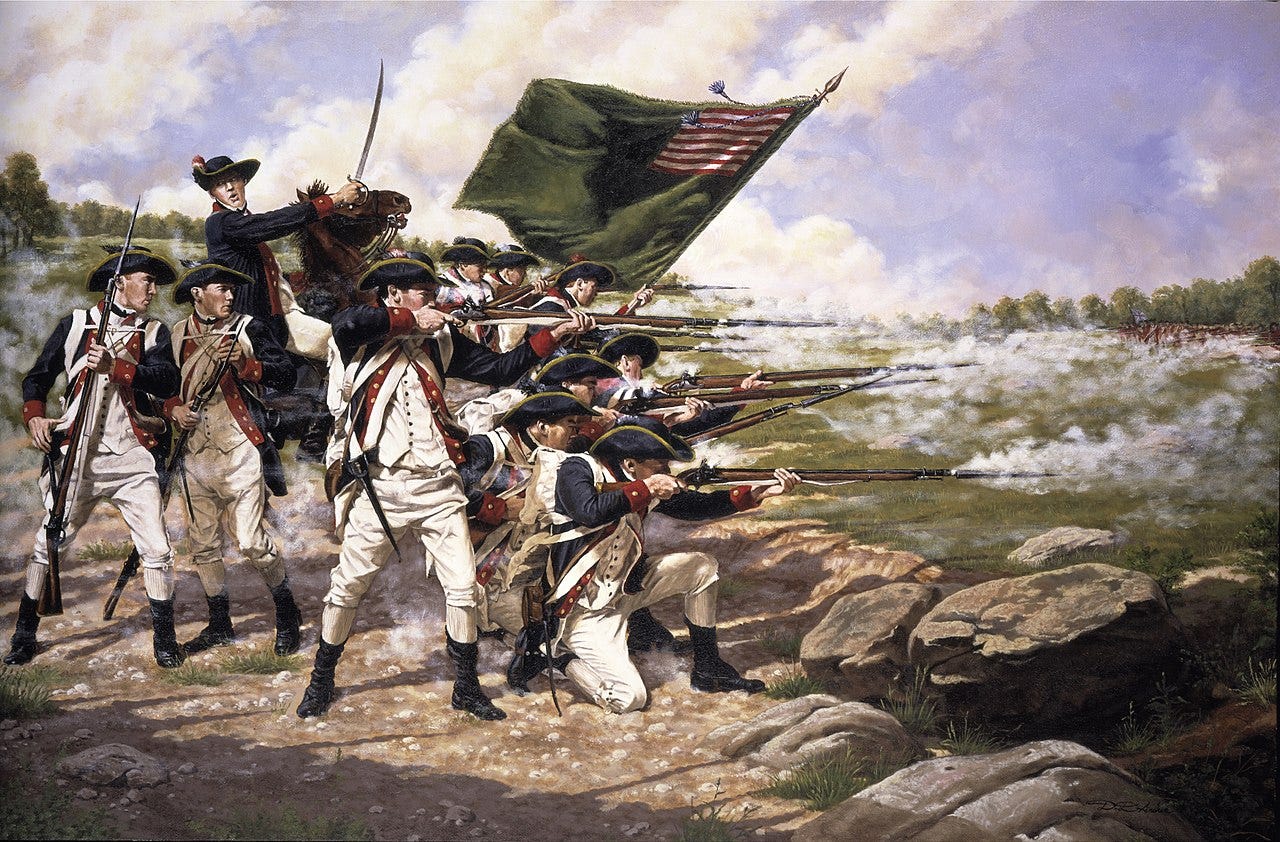

For the people who lived on Long Island, including Elizabeth Lewis, there was no evacuation. The British occupied the entire island, and anyone connected to the rebel cause was at risk.
The destruction of the Lewis estate was not random violence. It was targeted retaliation. Francis Lewis had signed his name to a document declaring that the colonies were “free and independent states.” The British Crown considered this treason, punishable by death. If they couldn’t execute Francis Lewis, they could punish his family.
The soldiers who came to Whitestone knew exactly who lived there and exactly what message they were sending.
The Captivity
We don’t know exactly where Elizabeth Lewis was held, or for how long.
Contemporary accounts describe her confinement as brutal: a small room, no bed, inadequate food, no heat in winter. The British made no effort to treat her humanely. She was not a prisoner of war in any recognized sense; she was simply held, a hostage to her husband’s signature.
Francis Lewis learned of his wife’s capture while serving in Congress. The news was devastating, but there was little he could do. The Continental Congress had no diplomatic standing with Britain. There was no process for negotiating the release of civilian prisoners. The British held all the cards.
Washington eventually intervened. Using his authority as commander of the Continental Army, he arranged a prisoner exchange, trading two wives of British officials for Elizabeth Lewis. The exchange took place sometime in 1777, more than a year after her capture.
By then, the damage was done. Elizabeth’s health had been destroyed by months of confinement in harsh conditions. She was never the same.
She died in 1779.
The cause was not recorded.
It didn’t need to be.
Everyone knew what had killed her.
The Aftermath
Francis Lewis lived for another twenty-three years after his wife’s death, but it was a life of decline.
He continued serving in Congress until 1779, just long enough to watch his fortune disappear. The British occupation of New York had destroyed his trade networks. There would be no recovery, no rebuilding. He retired to live with his sons, dependent on their charity, the successful merchant transformed into a burden on his own children.
He died on December 31, 1802, at the age of eighty-nine.
In some ways, Lewis’s long life was its own kind of punishment. He had decades to contemplate what his signature had cost.
Decades to remember Elizabeth.
Decades to wonder whether it had been worth it.
The British had wanted to make an example of the signers’ families. They thought terror would break the rebellion. Instead, stories like Elizabeth’s spread through the colonies and hardened resolve. If independence was worth dying for, it was worth fighting for.
What Francis Lewis Teaches Us
Every generation has its version of this story: the family that paid the price for someone else’s principles.
Political prisoners’ families. Dissidents’ spouses. The parents of activists. The children of whistleblowers. Throughout history, authoritarian regimes have understood that the most effective way to punish someone is to hurt the people they love.
Francis Lewis knew the risks when he signed the Declaration. The closing line (”we mutually pledge to each other our Lives, our Fortunes and our sacred Honor”) was not rhetoric. It was a statement of fact. The signers were committing treason, and treason was punishable by death.
But did Elizabeth know? Did she have a choice?
The historical record is silent on this question. We don’t know if Francis consulted his wife before signing. We don’t know if she supported his decision or feared it. We don’t know what she thought as British soldiers destroyed her home and dragged her away.
What we know is that she paid the price.
There’s an uncomfortable truth here about the cost of revolution, the cost of political courage, the cost of signing your name to something that matters. The people who make history are rarely the only ones who suffer for it.
We call the men who signed the Declaration “Founding Fathers.” Francis Lewis is one of the 56. His name is on the document. His portrait hangs in historical societies.
There is no portrait of Elizabeth Lewis. We don’t know what she looked like. We only know what she gave: her home, her health, and ultimately her life for a country she would never see.
Her granddaughter Julia Delafield later wrote of Elizabeth: “To Francis Lewis, she was Heaven’s best gift.”
Elizabeth Lewis never signed the Declaration of Independence.
But if Francis Lewis is a Founding Father, she is a Founding Mother.
Her sacrifice built this nation as surely as any signature.
Both of them deserve to be remembered as American heroes.
Next: Roger Sherman
If Francis Lewis represents the personal cost of signing, Roger Sherman represents something else entirely: the quiet competence that made independence possible.
Sherman is the most underrated founder. He’s the only person to sign the Declaration of Independence, the Articles of Confederation, AND the Constitution.
He started as a cobbler. No formal education. No family connections. Just a self-taught lawyer from Connecticut who somehow ended up in every room where history was being made.
Roger Sherman wasn’t brilliant in the way Jefferson was brilliant. He wasn’t eloquent like Adams or charming like Franklin. He was useful. And in a revolution, useful turns out to be everything.
Next Sunday, we’ll tell the story of the man who had a knack for being in the right room at the right time. Every time.
This is Essay #4 of 56 in “The 56” series, profiling every signer of the Declaration of Independence. New essays every Friday and Sunday, culminating on July 4, 2026, the 250th anniversary of American independence.
Subscribe to follow the journey.
Sources: